Yokohama Chinatown: food, lanterns & an evening walk
Red lanterns, restaurant windows, and rain holding on to the light.

What made me stop.
A cancelled flight gave me time in Yokohama. It ended up being one of my favorite stops in Japan. The harbor, the lanterns, the food. I stayed out late and nearly missed my train back to Tokyo.
Chinatown was getting quiet by the time I was walking around. Steam from the kitchens, lanterns over the street, cooks finishing their shifts. I loved being there at that hour.
There were pork buns, duck wraps, soup dumplings and fried chicken along the way. I could have kept eating. I also had a train to catch.
Plan your visit.
Build an evening around Chinatown’s streets and a meal, then add Yamashita Park if you want the waterfront. Visit before 7pm for the temples’ normal opening hours. Shops keep their own schedules, so don’t treat the whole neighborhood as one attraction with a single closing time.
- WHEN TO GO
- Late afternoon into evening
- MAKE TIME FOR
- 2–3 hours, suggested
- ENTRY / WALK
- Free street walk · paid extras
Getting there
The city visitors bureau puts the district about 1 minute from Motomachi-Chukagai Station, 5 minutes from JR Ishikawacho, or 7 minutes from Kannai. Those are approaches to Chinatown, not door-to-door times for every stop.
A walk to try.
A suggested 2–3-hour route. Start before 7pm if you want to enter the temples, and check dinner hours separately.
Motomachi-Chukagai
Arrive near the eastern side of Chinatown and begin with the public shopping streets.
Find on the mapMazu Temple & Kanteibyo
Visit during their normal 9am–7pm hours. These are places of worship, so follow the guidance at each entrance.
Find on the mapDinner in Chinatown
Read a few menus, pick a meal and eat where the shop asks you to. Keep other doorways open.
Find on the mapYamashita Park
Finish beside the harbor. Marine Tower is an optional paid stop nearby.
Find on the map
Leave time for the streets between meals
The gates, lanterns and restaurant windows give this walk its shape. You don’t need to buy an attraction ticket to enjoy the public streets. Food, temple offerings and observation decks are separate costs.
There isn’t one closing hour for Chinatown. Each restaurant and shop sets its own schedule. If there’s a particular meal you want, check that business rather than relying on the lights still being on down the street.
See the temples before dinner gets late
Kanteibyo and Mazu Temple normally open 9am–7pm. Kanteibyo’s exterior can be viewed for free; formal worship inside the main hall requires a ¥500 incense offering per person. Follow its instructions if you choose to take part.
Mazu Temple is about three minutes from Motomachi-Chukagai Exit 3. Visit with the same care you’d bring to any place of worship. The temples’ hours are a reason to start before dark rather than saving the whole walk for late night.

Pick a meal, then put the camera down
For a sense of prices, Ichiraku lists five slices of charcoal-roasted char siu at ¥750 including tax. Look through a few menus before deciding where to sit down; a plate like that is only part of a meal.
If you buy food to take away, stop somewhere safe to eat. The Chinatown association asks people not to walk with skewered food or occupy another shop’s frontage. It points to Yamashitacho Park inside Chinatown as a place to stop. That’s different from the waterfront’s Yamashita Park.

Keep walking to the harbor
Yamashita Park adds a free waterfront finish after Chinatown. The view opens up, which makes a nice change after the smaller streets and busy windows.
For a higher view, Marine Tower currently lists standard night tickets at ¥1,200 on weekdays and ¥1,400 on weekends and public holidays for high-school age and above. Online standard rates are ¥100 less. Night entry normally runs 6–10pm, with last admission at 9:30pm; June–August starts at 7pm. Special events can change prices, so check tickets before going.
What it costs.
Prices in Japanese yen (JPY), updated October 20, 2026. Check current tickets and opening hours before you go.
| Stop or meal | Listed price |
|---|---|
| Chinatown public streets & Yamashita Park Food and paid attractions are extra. | Free |
| Kanteibyo main-hall worship Incense offering per person; exterior viewing is free. | ¥500 |
| Ichiraku · char siu, five slices Official menu example, tax included; not a full-meal budget. | ¥750 |
| Marine Tower · standard night entry Weekday / weekend or holiday, high-school age and above, on-site rates. Events may differ. | ¥1,200 / ¥1,400 |
Keep the street-and-park walk free, or add the stops you want. The ¥750 char siu plate plus a ¥1,200 standard weekday night tower ticket comes to ¥1,950 before transport and other food.
A few things to know.
Is Yokohama Chinatown free to visit?
You can walk the public streets without a district admission ticket. Meals, worship offerings and attractions such as Marine Tower cost extra.
What time does Chinatown close?
There’s no single district closing time. Shops and restaurants set their own hours; Kanteibyo and Mazu Temple normally open 9am–7pm.
Can I add the waterfront to the same visit?
Yes. Yamashita Park is a nearby, free extension. Yamashitacho Park is the smaller park inside Chinatown; the similar names refer to different places.
Stay for the photographs.
Swipe through. Tap a photograph to see it full frame.
Yokohama Chinatown


Memories
you can wear.
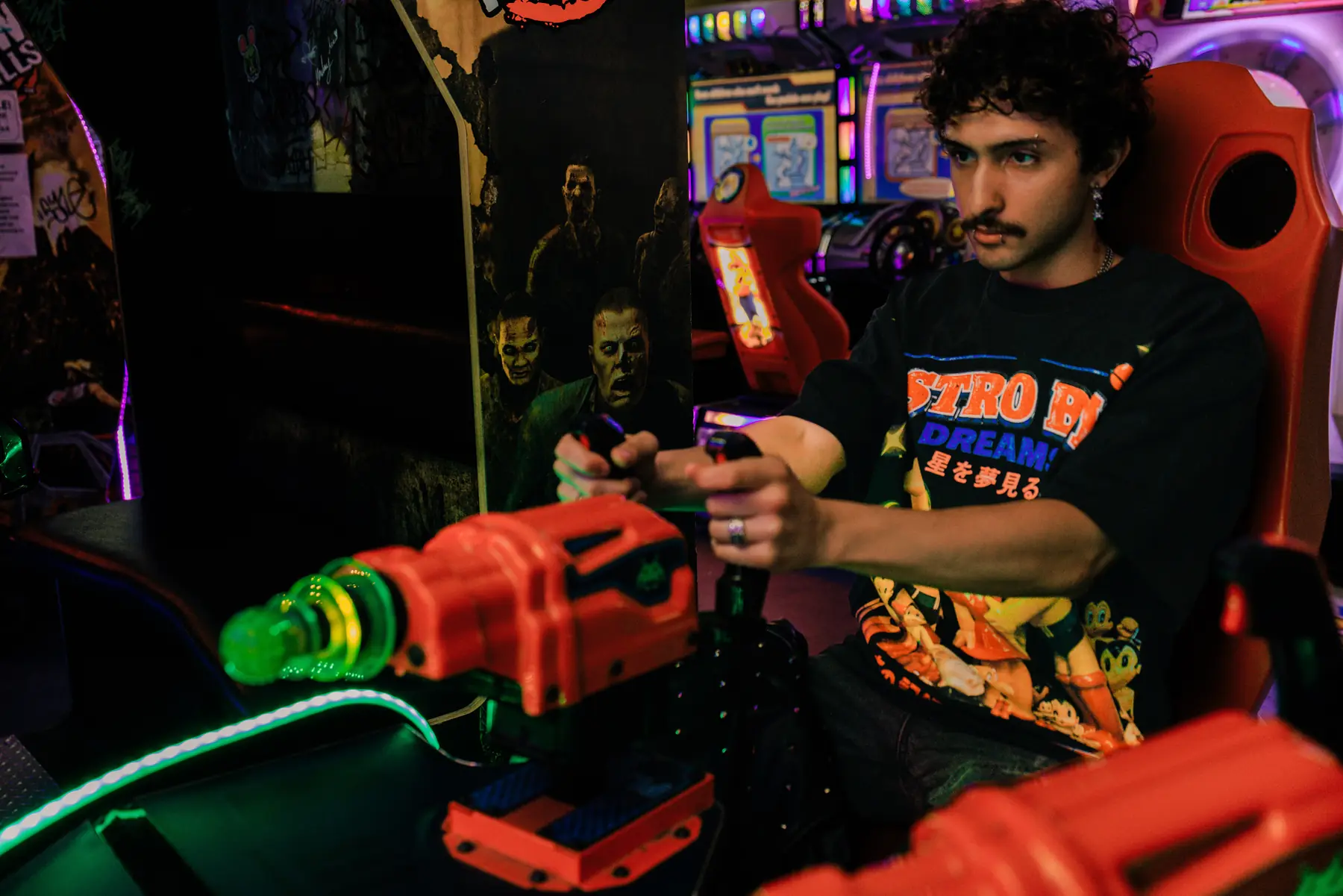
I photographed Astro Boy in a Kyoto restaurant after midnight. That frame became this tee.
I call the things I make from my photos and travels artifacts. A little of a place, made into something you can keep.
Another place to get lost.
 Kamakura / JAPAN
Kamakura: the Great Buddha, fox shrines & the streets between
Read the guide Enoshima / JAPAN
Enoshima: a train ride, a sea breeze & the last of the light
Read the guide Jewel of Shonan / JAPAN